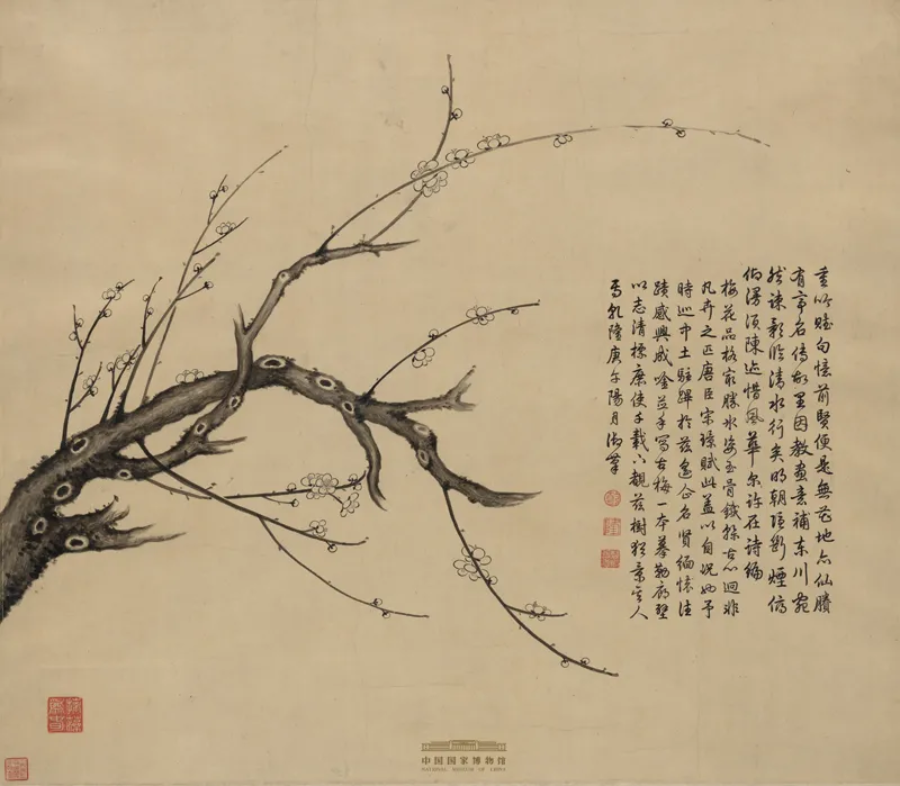
Literati Painting
Introduction
Literati painting, also known as "wenrenhua" in Chinese, is a unique traditional Chinese painting style that emphasizes personal expression and scholarly themes over realistic representation. Originating in ancient China, it was developed by scholar-officials who were also accomplished artists and poets. This art form is characterized by its focus on conveying the spirit and inner world of the artist rather than depicting the external appearance of subjects. Literati painting is closely intertwined with Chinese philosophy, poetry, and calligraphy, often incorporating these elements into the artwork itself. The style has had a profound influence on the development of Chinese art, as well as on other East Asian art traditions.
Origins and Historical Development
Early Beginnings
The origins of literati painting can be traced back to the Tang Dynasty (618-907), with the emergence of scholar-painters who sought to express their intellectual and spiritual pursuits through art. During this period, painting began to be seen not just as a craft but as a means of personal expression and cultivation of the mind. The Tang poet and artist Wang Wei is often credited with laying the foundation for literati painting. His work emphasized simplicity, harmony, and an intimate connection with nature, which became hallmarks of this style.
Song Dynasty Influence
The Northern Song Dynasty (960-1127) and the Southern Song Dynasty (1127-1279) were pivotal in the development of literati painting. This period saw a flourishing of culture and the arts, with the imperial court and private academies promoting painting and calligraphy as essential components of a scholar's education. Prominent artists like Su Shi and Mi Fu emerged during the Northern Song, advocating for painting as a medium for self-expression and philosophical contemplation. Their works focused on spontaneous brushwork and abstracted landscapes, moving away from the detailed realism that characterized earlier periods.
Yuan Dynasty Evolution
The Yuan Dynasty (1271-1368) marked a significant evolution in literati painting as the Mongol rule led to changes in the social and political landscape of China. With many scholar-officials losing their positions, they turned to art and literature as a form of resistance and expression of their cultural identity. This period saw the rise of the "Four Masters of the Yuan Dynasty" – Huang Gongwang, Wu Zhen, Ni Zan, and Wang Meng – who further refined the literati style. Their paintings emphasized simplicity, abstraction, and the use of negative space, reflecting a deep connection with nature and a contemplative approach to art.
Ming and Qing Dynasties
The Ming (1368-1644) and Qing (1644-1911) dynasties saw a continued reverence for classical traditions in literati painting. Artists during these periods often looked back to the Song and Yuan masters for inspiration, while also developing their unique styles. The Ming Dynasty's Wu School and the Qing Dynasty's Yangzhou School were particularly influential, with artists emphasizing individuality and creativity within the literati tradition. This era also saw the integration of Western influences and techniques into Chinese art, further enriching the literati painting style.
Characteristics and Styles
Brushwork Techniques
Literati painting is renowned for its distinctive brushwork, which is often characterized by spontaneity and expressiveness. Artists use a variety of brushstrokes to convey different textures and emotions, ranging from bold, sweeping lines to delicate, intricate details. The quality of brushwork is seen as a reflection of the artist's character and inner state. This emphasis on brush technique is deeply rooted in Chinese calligraphy, with many literati painters being adept calligraphers as well.
Color and Composition
In literati painting, color is used sparingly and with great sensitivity. Traditional ink and wash techniques are predominant, with black ink used to create a range of shades and tones. When color is used, it tends to be subtle and harmonious, enhancing rather than overpowering the composition. The composition itself often features vast expanses of open space, known as "liubai," which allows viewers to engage with the painting on a deeper, more contemplative level. This use of negative space is a key element in creating the balance and harmony that define literati art.
Themes and Subject Matter
The themes and subject matter of literati paintings are deeply influenced by Chinese philosophy, particularly Taoism and Confucianism. Common themes include landscapes, bamboo, plum blossoms, and other natural elements that symbolize virtues such as resilience, purity, and the harmonious relationship between humans and nature. Artists also explore personal and philosophical ideas through their work, often incorporating poetry or inscriptions to further express their thoughts and emotions. This integration of visual art with literary and philosophical elements is a hallmark of the literati tradition.
Key Artists and Influencers
Su Shi and Mi Fu
Su Shi (1037-1101), also known as Su Dongpo, was a prominent scholar, poet, and artist of the Northern Song Dynasty. He played a crucial role in shaping the literati painting style, advocating for the expression of emotion and thought over mere representation. His contemporary, Mi Fu (1051-1107), similarly emphasized the importance of personal expression in art. Known for his bold brushwork and innovative compositions, Mi Fu's work exemplified the literati ideals of spontaneity and individuality. Together, Su Shi and Mi Fu laid the groundwork for future generations of literati artists.
Dong Qichang
Dong Qichang (1555-1636) was a highly influential figure in the development of literati painting during the late Ming Dynasty. As both a painter and a theorist, he championed the idea of painting as a reflection of the artist's inner cultivation and philosophical understanding. Dong Qichang proposed a division between Northern and Southern schools of painting, drawing on the principles of Daoism to advocate for a more introspective and abstract approach to art. His theories and paintings significantly influenced the direction of Chinese art, particularly within the literati tradition.
Wang Wei
Wang Wei (701-761), a renowned poet, painter, and musician of the Tang Dynasty, Wang Wei's work embodied the principles of simplicity, harmony, and a deep connection with nature. His landscape paintings, characterized by their minimalism and poetic quality, set the precedent for the literati style that would be further developed by later artists. Wang Wei's integration of poetry and painting continues to inspire and influence artists within the literati tradition.
Cultural Significance
Philosophical Underpinnings
Literati painting is deeply rooted in Chinese philosophy, particularly Taoism and Confucianism. The emphasis on simplicity, harmony, and self-expression reflects the Taoist belief in living in accordance with the natural world and cultivating inner tranquility. Confucian ideals of scholarship, moral integrity, and the cultivation of one's character are also central to the literati tradition. This philosophical foundation has shaped the way artists approach their work, prioritizing the expression of personal insight and the cultivation of the spirit over technical perfection.
Influence on Modern Art
The principles and aesthetics of literati painting have had a lasting impact on modern art, both in China and beyond. Contemporary artists continue to draw inspiration from the literati tradition, exploring themes of nature, philosophy, and personal expression in their work. The use of ink and wash techniques, along with the integration of poetry and calligraphy, remains a vibrant and evolving aspect of modern art practice. Additionally, the emphasis on individuality and spiritual depth in literati painting has resonated with artists worldwide, contributing to the global appreciation of this unique art form.
Literati Painting in Different Regions
China
In China, literati painting remains a revered and influential tradition. Many contemporary Chinese artists continue to engage with the themes and techniques of literati art, exploring new expressions within this ancient framework. Exhibitions and collections of literati paintings, such as those at the Suzhou Museum and the National Art Museum of China, showcase the enduring legacy and evolution of this art form. The integration of Western influences and the exploration of contemporary issues have further enriched the literati tradition in modern Chinese art.
Japan
Literati painting also found a significant following in Japan, where it is known as bunjinga or nanga. Japanese literati artists were influenced by Chinese paintings and texts, adapting the style to reflect their unique cultural and artistic sensibilities. The Edo period (1603-1868) saw the flourishing of this style, with artists like Ike no Taiga and Yosa Buson leading the movement. Japanese literati painting emphasized spontaneity, subtlety, and the integration of poetry, much like its Chinese counterpart.
Legacy and Impact
The legacy of literati painting is profound, with its influence extending far beyond the borders of China. As a reflection of scholarly pursuits and philosophical ideals, literati painting has enriched the cultural and artistic heritage of East Asia. Its emphasis on personal expression, harmony with nature, and the integration of multiple artistic disciplines continues to inspire artists and audiences worldwide. The tradition of literati painting serves as a testament to the enduring power of art as a means of personal and spiritual exploration, and its impact is felt in both historical and contemporary contexts.








